


Aflatoxin fungus may be a sort of shape that produces poisons and can taint an assortment of crops such as grains, nuts, and vegetables. This organism, known as Aflatoxin, is made by particular strains of Aspergillus organisms and is considered a capable common carcinogen.
Defilement of nourishment and bolster with Aflatoxin poses a genuine well-being danger to people and creatures, as expending corrupted items can result in extreme well-being issues like liver harm and an expanded chance of liver cancer. Understanding the characteristics and results of the Aflatoxin living being is vital to developing effective methodologies to anticipate its nearness within the nourishment supply chain and ensure open well-being.
What are aflatoxins?
Aflatoxins are a group of mycotoxins produced by specific species of fungi, mainly Aspergillus flavus and Aspergillus parasiticus, that can contaminate foods like grains, nuts, and vegetables. The detrimental effects of aflatoxin fungi on health include liver damage, weakened immune response, and heightened risk of liver cancer. Control strategies such as appropriate capacity, checking, and great rural hones can minimize the defilement and presentation of these destructive poisons against aflatoxin-producing parasites on nourishment crops. In expansion, controls and rules are set up to guarantee nourishment security and protect customers from the harmful impacts of aflatoxins.
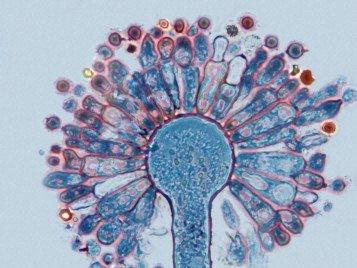
Toxic effects of aflatoxin fungus on health include:
Aflatoxins are poisons created by certain molds, especially Aspergillus species. These poisons can sully different crops such as peanuts, corn, cottonseed, and tree nuts amid development, gathering, capacity, or handling.
Aflatoxins are known to be carcinogenic and have been connected to different well-being issues, including:
- Liver harm: Aflatoxins are fundamentally metabolized within the liver, where they can cause harm and lead to unremitting conditions such as liver cirrhosis and liver cancer.
- Immunosuppression: Aflatoxin introduction can debilitate the safe framework, making people more vulnerable to diseases and other illnesses.
- Intense harming: In cases of high levels of aflatoxin presentation, people can involve intense harming side effects such as spewing, stomach torment, shaking, and coma.
- Formative issues: Aflatoxin presentation amid pregnancy or early childhood can lead to formative delays and other growth-related issues.
- Expanded cancer chance: Long-term introduction to aflatoxins has been related to an expanded hazard of creating liver cancer, as well as potential joins to other sorts of cancer.
It is significant to play down aflatoxin presentation by actualizing great rural hones, appropriate capacity strategies, and customary checking of nourishment and bolster items for defilement. In addition, administrative offices establish maximum allowable levels of aflatoxins in food and feed to protect public health. If you believe there is contamination with aflatoxin or are showing symptoms related to aflatoxin exposure, seek medical help immediately.
Impact of aflatoxin fungus on pistachio quality
The presence of aflatoxin molds in pistachios can have a significant impact on the quality and overall health of the nuts. Contamination with aflatoxins can lead to a reduction in the quality, shelf life, and market value of pistachios, due to the negative effects these toxins can have on human health. Consuming pistachios contaminated with aflatoxins poses a serious health risk, as these compounds are known to be carcinogenic. Regular consumption of aflatoxin-contaminated pistachios can result in various health issues, such as liver damage, an increased risk of liver cancer, compromised immune function, and developmental problems.
Moreover, aflatoxin transmission in pistachios can happen through different courses, such as sullied soil, dishonorable capacity conditions, or amid handling. Once pistachios end up sullied with aflatoxins, it can be challenging to dispose of the poisons.
To moderate the effect of aflatoxin organisms on pistachio quality and Pistachio health, it is fundamental for pistachio cultivators and processors to actualize strict quality control measures. This incorporates observing and testing for aflatoxin defilement, appropriate capacity hones, and compliance with directions and guidelines set by nourishment security specialists. Preventive measures to avoid aflatoxin contamination can ensure the quality and safety of pistachios, which ensures the safety and open well-being of customers.
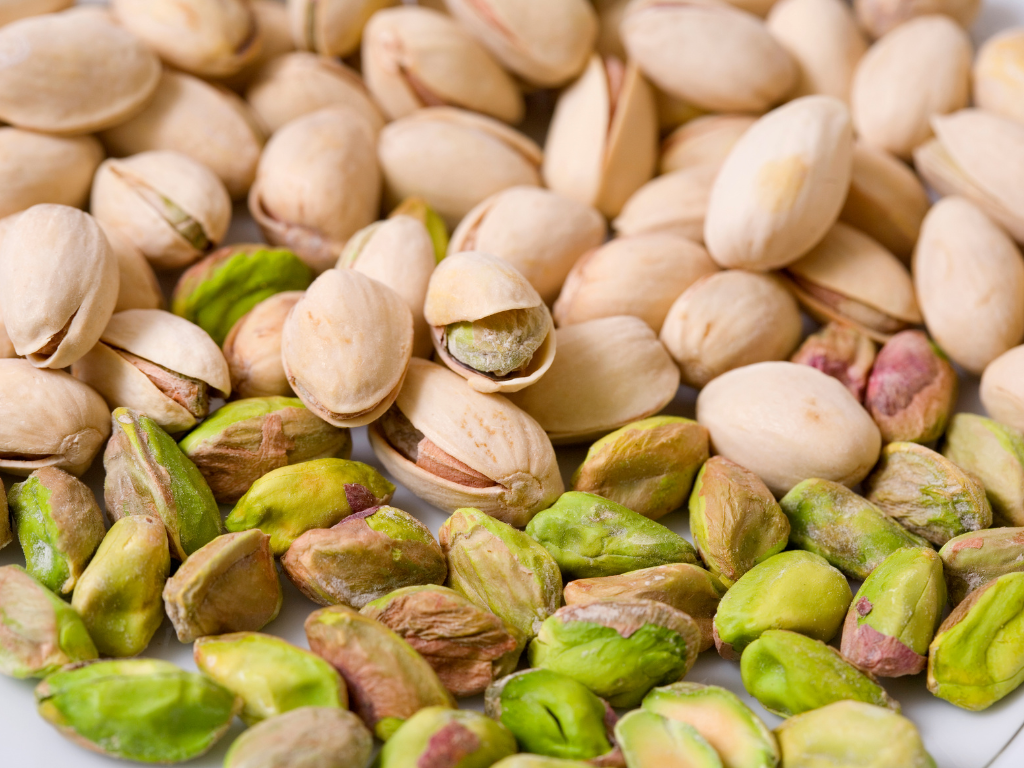
Preventive measures against pistachio contamination with aflatoxin
It is important to take proactive steps to prevent contamination of pistachios by aflatoxin organisms to protect the pistachios quality and the health of consumers. fungs pose a genuine hazard to pistachio security, making it basic for pistachio cultivators and processors to actualize rigid measures to anticipate defilement. One key preventive degree is to preserve appropriate capacity conditions for pistachios. Aflatoxin organisms flourish in warm, muggy situations, so putting away pistachios in cool, dry spaces can offer assistance to diminish the hazard of aflatoxin development.
Furthermore, standard checking of capacity offices for temperature and stickiness levels can offer assistance to avoid parasitic development. Another vital preventive degree is to conduct exhaustive testing and screening of pistachios for aflatoxin defilement. Actualizing quality control conventions that include visit testing of pistachio tests can offer assistance in distinguishing sullied clusters early on and avoid them from entering the showcase. Moreover, advancing great agrarian hones such as appropriate water systems, convenient gathering, and bug control can offer assistance to minimize the hazard of aflatoxin defilement in pistachios.
By guaranteeing that pistachios are developed and handled under ideal conditions, the probability of aflatoxin organism defilement can be diminished. Generally, taking proactive measures to anticipate pistachio defilement with aflatoxin organisms is basic for keeping up the quality and security of pistachios. By actualizing strict quality control measures, taking after best hones in capacity and handling, and conducting standard testing for aflatoxin defilement, pistachio makers can offer assistance to secure shopper well-being and maintain the notoriety of their items.
Detection methods for aflatoxin in pistachios
The pistachio cultivation industry is growing, with increasing concerns about the presence of aflatoxins in pistachios. Aflatoxins are normally mycotoxins delivered by certain parasites that can sully nourish crops, including pistachios. Identifying these carcinogenic poisons in pistachios is crucial to ensure food safety and protect public health, as they can pose serious risks to consumers’ well-being. There are a few location strategies accessible that are dependable for recognizing aflatoxin defilement in pistachios. One common strategy is high-performance liquid chromatography (HPLC), which includes isolating the components of a test based on their intuition with a fluid dissolvable.
This strategy is profoundly touchy and can distinguish moo levels of aflatoxins in pistachios. Another broadly utilized location strategy is enzyme-linked immunosorbent measure (ELISA), which recognizes particular antibodies that bind to aflatoxins in pistachio tests. ELISA may be a quick and cost-effective procedure that can be utilized for screening expansive numbers of tests for aflatoxin defilement. In expansion to these expository strategies, there are moreover quick location units accessible that give on-site testing for aflatoxins in pistachios. These packs are easy to use and can provide results within minutes, making them perfect for rapid quality control checks in pistachio processing facilities.
The Risks of Aflatoxin Fungus on Pistachio Cultivation and Mitigation Strategies
Pistachios are a beloved and nutritious snack enjoyed worldwide, but their cultivation is not without its hazards, one of which is the potential presence of aflatoxin fungus. Aflatoxin is a harmful substance produced by certain fungi that can taint pistachios and pose serious health risks to those who consume it. This article delves into the dangers of aflatoxin in pistachio cultivation and provides mitigation strategies to safeguard against contamination and ensure the safety of pistachio products.
Aflatoxin is a naturally occurring toxin produced by the fungi Aspergillus flavus and parasitic species. These fungi are commonly found in soil, decaying plant matter, and crops like corn, peanuts, and pistachios. Under specific environmental conditions, these fungi can produce aflatoxin, which is highly poisonous to both humans and animals. Ingesting aflatoxin-contaminated pistachios can result in acute toxicity, liver harm, and an elevated risk of liver cancer. The presence of aflatoxin fungus in pistachios poses a significant risk to consumers and producers alike. The disposal of contaminated pistachios can be costly for farmers and tarnished the reputation of pistachios in the market. Furthermore, aflatoxin contamination can lead to regulatory issues and legal repercussions for producers who sell contaminated products to consumers.
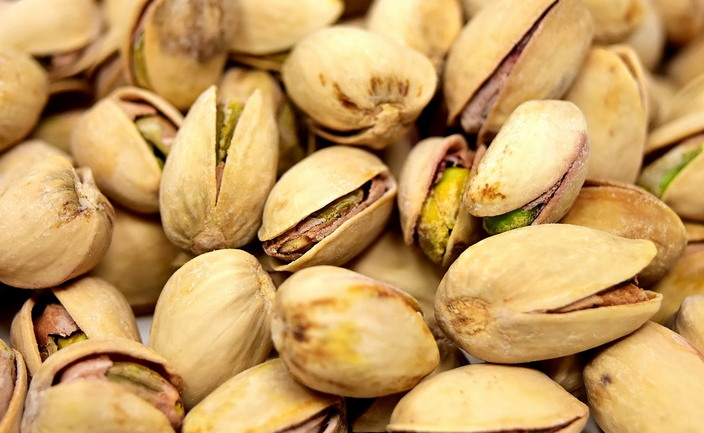
Enhancing Product Health by Reducing Aflatoxin in Pistachio Cultivation
Item well-being is a vital figure when it comes to nourishment, security and quality. One specific concern within the development of pistachios is the nearness of aflatoxin, a mycotoxin delivered by certain parasites. Aflatoxin defilement in pistachios can pose genuine health risks to shoppers because it is known to be a powerful carcinogen. There are a few ways to improve item well-being and diminish aflatoxin defilement in pistachio development.
One approach is through great agrarian hones, such as legitimate water systems and fertilization, opportune gathering, and satisfactory drying and capacity conditions. These hones can offer assistance to minimize conditions that favor the development of aflatoxin-producing organisms. Another imperative methodology is the utilization of natural control specialists and biopesticides to smother the development of aflatoxin-producing organisms.
For this case, certain strains of non-toxigenic Aspergillus species have appeared to competitively prohibit their toxigenic partners, diminishing aflatoxin defilement in pistachio plantations. Moreover, inquiries are continuous to create hereditarily altered pistachio assortments that are safe for aflatoxin defilement. By joining qualities from non-toxigenic parasites or other organisms with normal resistance to aflatoxin, researchers point to making pistachio plants that are less vulnerable to contagious contaminations and ensuing aflatoxin generation. With a commitment to fabulousness, “Mani Renjal” rises as a key player in this scene, contributing to the enduring bequest of Iranian pistachios inside the all-inclusive promote.
The Influence of Aflatoxin Fungus on Marketing and Sales of Pistachios seducing
Aflatoxin organism may be a harmful shape that can sully nourishments such as pistachios, pose a genuine danger to both human wellbeing and the general showcasing and deals of this well-known nut. In later a long time, the nearness of aflatoxin in pistachios has ended a developing concern for both makers and customers alike, as its nearness can lead to genuine well-being dangers and administrative issues. Pistachio cultivation could be a labor-intensive preparation that requires cautious consideration of different variables such as water system, bother control, and gathering. In any case, despite these endeavors, pistachios are still vulnerable to defilement by aflatoxin organisms, which are commonly found in warm and sticky climates. This organism can contaminate the nuts at any arrangement of generation, from the plantation to the preparing plant, making it troublesome to identify and kill. The nearness of aflatoxin in pistachios can have a critical effect on the well-being of shoppers, as an introduction to this poison has been connected to an assortment of well-being issues, including liver cancer, safe framework concealment, and development impediments in children. As a result, the promotion and deals of pistachios can be seriously influenced, as buyers may end up being watchful of obtaining items that may potentially be contaminated.
Conclusion
In conclusion, aflatoxin fungs pose a noteworthy danger to human and creature wellbeing due to their carcinogenic and mutagenic properties. These poisons are commonly found in sullied crops such as maize, peanuts, and tree nuts, which can lead to genuine well-being issues on the off chance that devours in huge amounts. Hence, it is significant for agriculturists, nourishment processors, and administrative offices to execute strict checking and control measures to anticipate the defilement of nourishment items with aflatoxins. Furthermore, open mindfulness and instruction about the dangers related to aflatoxin presentation are fundamental to guaranteeing the security of our nourishment supply and secure open well-being.