


Pistachios are a popular snack due to their delightful taste and numerous health benefits. As people enjoy these nutritious nuts, a common question arises: Are pistachio shells edible? This curiosity stems from the desire to reduce waste and explore potential hidden health benefits in the often-discarded shells.
This blog post aims to examine the edibility of pistachio shells by delving into their nutritional content, potential benefits, and associated risks. While the pistachio nut is known for being a good source of protein, fiber, and healthy fats, the shells might offer additional value or pose certain threats if consumed. By understanding the properties of pistachio shells, we can make informed decisions about their potential inclusion in our diets or alternative uses. We will explore both the advantages and possible risks to provide a comprehensive overview of whether pistachio shells can be a viable addition to our dietary practices.
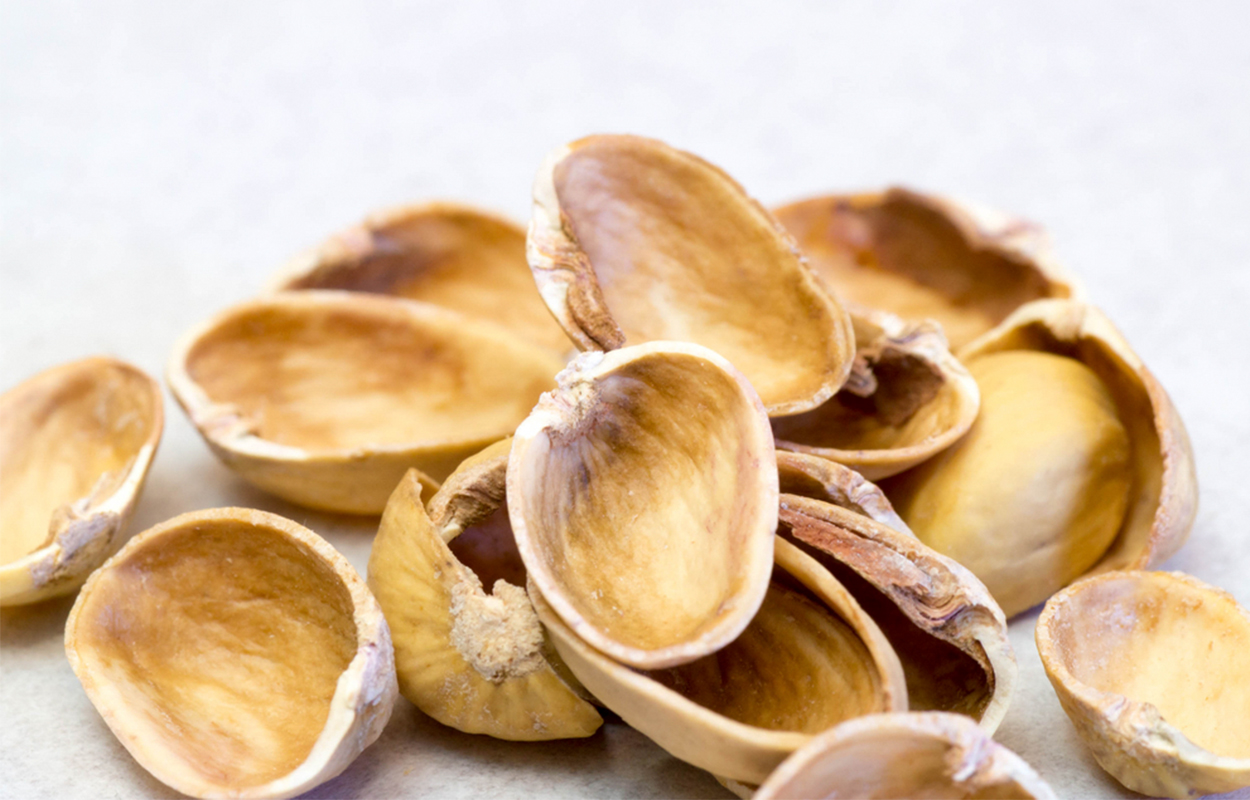
Nutritional Content and Benefits
When questioning “Are pistachio shells edible?” it’s important to investigate their nutritional content and potential benefits. While the nuts themselves are celebrated for their rich dietary profile, the shells are often overlooked and discarded. Understanding the dietary value of pistachio shells is crucial in determining their edibility and potential health benefits.
Pistachio shells, like various other nut shells, contain components that can be beneficial if consumed. They are primarily composed of dietary fiber, essential for healthy digestion and can help maintain regular bowel movements. Furthermore, pistachio shells may contain trace amounts of minerals such as potassium, magnesium, and calcium. These minerals are important for various bodily functions, including maintaining bone health, regulating muscle function, and supporting the cardiovascular system.
Considering the potential health benefits of consuming pistachio shells, the high fiber content stands out. Dietary fiber is known to promote satiety, which can help with weight management by reducing overall calorie intake. Additionally, fiber can help regulate blood sugar levels, making it beneficial for individuals with diabetes or those looking to prevent the onset of diabetes. The presence of trace minerals in the shells could contribute to meeting daily nutritional requirements, particularly in areas where dietary deficiencies are common.
However, it is essential to note that while there may be potential benefits, the question “Are pistachio shells edible?” cannot be fully answered without considering the risks and safety concerns. The hardness of the shells poses a significant risk to dental health, and potential contaminants or toxins on the shells might negate any dietary benefits. In summary, while pistachio shells may offer some nutritional value, particularly in terms of fiber and trace minerals, further research and consideration of safety factors are essential. Only with a comprehensive understanding can we fully evaluate whether pistachio shells are a viable addition to our diet.

Risks and Safety Concerns
The question “Are pistachio shells edible?” raises significant concerns about the physical and chemical risks associated with their consumption. While exploring the potential benefits is essential, understanding the possible dangers is crucial for a comprehensive evaluation.
- Physical Risks: One of the primary physical risks of consuming pistachio shells is the potential for dental damage. Pistachio shells are hard and rigid, and attempting to chew them can lead to chipped or broken teeth. Dental injuries are not only painful but can also be costly to repair. Beyond dental risks, the hardness of the shells poses significant challenges for the digestive system. Ingesting these tough shells can lead to gastrointestinal issues such as blockages, tears, or perforations in the digestive tract. These complications can result in severe pain and may require medical intervention to resolve.
- Chemical Risks: Chemical risks also play a crucial role in addressing the question “Are pistachio shells edible?” Pistachio shells may harbor potential toxins or residues from pesticides and fertilizers used during the cultivation process. Even after processing, these harmful substances can remain on the shells and pose a health risk if consumed. Additionally, pistachio shells can accumulate molds or other contaminants during storage, especially if they are not kept in optimal conditions. These contaminants can produce mycotoxins, which are harmful to human health and can lead to severe allergic reactions or illness.
Moreover, the processing and packaging of pistachios often involve chemical treatments to preserve freshness and extend shelf life. These chemicals, while safe in trace amounts on the nut itself, might be more concentrated on the shells and pose a higher risk if ingested.
In conclusion, when exploring the question “Are pistachio shells edible?” it is evident that the physical and chemical risks associated with their consumption are significant. Dental damage, digestive issues, and potential exposure to toxins and contaminants make eating pistachio shells a questionable practice. These concerns highlight the importance of caution and further investigation
before considering pistachio shells as a viable dietary option.
Alternative Uses for Pistachio Shells
While the direct answer to “Are pistachio shells edible?” leans towards caution due to potential risks, pistachio shells have various non-edible uses that maximize their value. These alternative applications help reduce waste and provide practical benefits in different areas.
- Composting: One of the most common non-edible uses for pistachio shells is composting. These shells are biodegradable and can contribute to improving plant soil. Adding pistachio shells to compost heaps helps improve aeration and adds organic matter, which enhances soil structure and fertility over time.
- Crafts: Pistachio shells are also popular in the crafting community. Their unique shape and durability make them ideal for creating decorative items such as mosaics, jewelry, ornaments, and artworks. Craft enthusiasts often use pistachio shells to add texture and visual interest to their projects, transforming what would be waste into beautiful and functional items.
- Industrial Applications: In industrial applications, pistachio shells have shown promise in areas such as water filtration and biofuel production. The hard, fibrous nature of the shells makes them suitable for filtering impurities from water, contributing to cleaner and safer water supplies. Additionally, pistachio shells can be processed into biofuel, providing a renewable energy source that helps reduce reliance on fossil fuels.
In summary, while the direct consumption of pistachio shells may not be advisable due to potential risks, their non-edible uses offer significant environmental and practical benefits. Composting, crafts, and industrial applications demonstrate how pistachio shells can be repurposed effectively, contributing to sustainability and innovation.

Conclusion
Exploring the question “Are pistachio shells edible?” reveals a complex balance of potential benefits and significant risks. While pistachio shells may offer nutritional value, particularly in fiber and trace minerals, the physical dangers such as dental damage and digestive issues, along with chemical risks from potential toxins, make their consumption questionable. Given these considerations, the ultimate stance on the edibility of pistachio shells is one of caution; the potential risks outweigh the benefits, suggesting that they should not be considered a viable dietary choice. However, their non-edible uses—such as composting, crafts, and industrial applications—highlight their valuable contributions to sustainability and innovation. Further research could explore safer methods to extract nutritional benefits from pistachio shells or develop new industrial uses, enhancing their utility without the associated risks of direct consumption.
FAQs
Can consuming pistachio shells provide health benefits? This question seeks clarification on whether pistachio shells, despite being tough and often discarded, offer any nutritional value or health advantages comparable to the pistachio nuts themselves.
What are the risks associated with eating pistachio shells? This question addresses concerns about the potential dangers of consuming pistachio shells, including dental risks, digestive issues, and exposure to chemicals or contaminants that may be present in the shells.