


The examination of pistachio shells aimed to assess their structure and chemical composition. The structural analysis involved the use of various techniques, including a differential scanning calorimeter (DSC), polarized light microscopy (PLM), and environmental scanning microscopy (ESEM). To determine the chemical composition, Fourier transmission infrared spectroscopy (FT-IR) was used for organic components, while electron dispersive spectroscopy (EDS) analysis was employed for inorganic matter. Results indicated a layered and porous structure of the shells, with triglyceride fat and cellulose sugar being the primary natural polymers identified. The distribution of fats and sugar varied, suggesting potential roles in nutrient transport and structural integrity. This insight into the shell’s composition will assist in future evaluations of its physical and mechanical properties.
Nature contains numerous polymers, with a significant portion being derived from cellulose, a compound resulting from polymerized glucose chains. Cellulose exhibits strong durability due to its extensive hydrogen bonding (Figure 1). With rising manufacturing expenses for polymers caused by petroleum scarcity, there is optimism surrounding the potential of cellulose-based materials to offer more affordable and environmentally friendly alternatives.
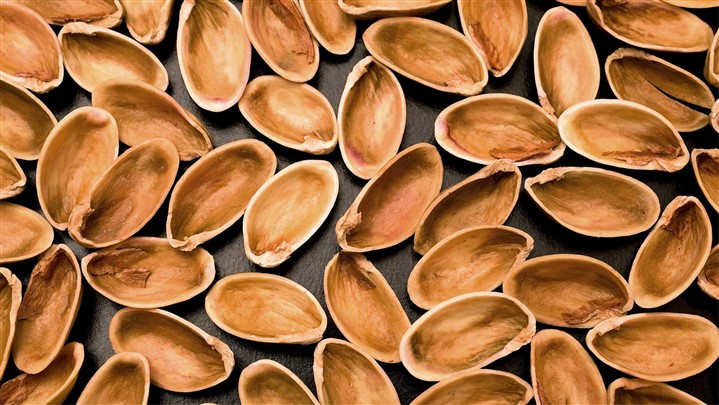
Pistachio shell uses
Native to the Middle East, the pistachio tree, scientifically known as Pistacia vera, is a resilient desert plant with a lengthy lifespan that produces groupings of petite reddish drupes.
For pistachio drupes to ripen effectively, they require prolonged, scorching, and arid summer conditions. Upon reaching maturity, the flexible outer skin and tough internal shell burst open accompanied by an audible cracking sound.
Once the peel is removed, what remains is the beige, partially open shell that holds the beloved and edible seed we all know. These seeds make for a delicious and nutritious guilt-free snack option. Pistachios are packed with fiber, protein, and healthy fats, making them an excellent source of vitamins and minerals as well.
If you frequently indulge in pistachios, you may wonder about possible uses for the shells. Unsalted pistachio husks offer various applications in gardening and more. In case you favor salted pistachios, ensure to thoroughly wash and dry them before utilizing them around plants and soil. Excessive sodium content in the soil can be harmful to plants, leading to their wilting.
Potted Plant Filler
To cater to the deep decorative planters, a significant amount of soil is typically needed, which can often result in the unnecessary use of good potting soil as the plant’s roots usually do not require such ample space for growth.
To reduce the necessity for excessive soil, consider placing pistachio shells at the bottom of the container before adding potting soil on top, ensuring there is adequate room for it. The depth of planting should correspond to the expected size of the plant once fully grown, with smaller plants like herbs and lettuce requiring around 12 inches of soil, while larger plants such as tomatoes would benefit from 24 to 36 inches of soil.
Additionally, utilizing pistachio shells can aid in drainage, preventing the plant’s root system from being waterlogged.
Mulch
Covering your garden beds with a thick layer of mulch not only enhances the visual appeal but also aids in retaining soil moisture, improving fertility, and reducing weed growth.
Collect your shells of pistachio and combine them with wood chips, bark, leaves, or other natural mulch before spreading the mixture over your garden.
Complete shells of pistachio are quite durable and dense, requiring a significant amount of time to decompose fully. During this process, they gradually release carbon, fats, proteins, and carbohydrates to nourish the soil.
Pest Deterrent
Make your garden and potted plants less attractive to annoying pests by utilizing shells of pistachios. Place them densely as a protective layer around outdoor plants to discourage squirrels, chipmunks, and raccoons from burrowing in the soil. shells of pistachio are also effective in repelling slugs and snails – especially when salted. Form a barrier against these slimy creatures by scattering the shells in a line around individual plants or along the entire garden perimeter. For indoor plants, incorporate pistachio shells into their containers to deter curious pets from interfering with your cherished foliage.
Potted Plant Drainage
Using shells of pistachio to create a base in potted plants can prevent water logging issues, particularly beneficial for pots without proper drainage holes. Start by placing a layer of shells of pistachio at the bottom of an empty container, followed by soil and plants. Excess water not absorbed by the plant will flow into this shell layer, keeping the root system away from excessive moisture. Unlike traditional materials like rocks or pebbles, shells of pistachio offer the advantage of degrading over time, eliminating the need to remove them when repotting.
Crafting
Inventive creators have discovered various methods to incorporate shells of pistachios into their do-it-yourself projects. Due to their curved structure, shells of pistachios can be transformed into stunning flowers that will remain forever beautiful:
Give a try to this exquisite hanging succulent garden from Addicted 2 Decorating.
Or opt for a vibrant and cheerful painted floral wreath from Craft Shack Chronicles.
Fashion a decorative tree to achieve that rustic appearance from Handimania.
Craft an assortment of lotus candle holders following the guide on Instructables.
You can also adorn yourself with a charming ombre necklace made from pistachio shells featured on Crème de la Craft.

Fire Kindling
The high woody content of shells of pistachio makes them ideal for starting fires.
To ignite or rekindle a dwindling fire, simply throw a handful or two of shells of pistachio into the mix.
Shells of pistachio work well as kindling for indoor fireplaces and wood stoves.
However, it is important to be cautious when using them in open campfires, as the fats in nut shells can create a popping and sizzling effect when exposed to high temperatures.
After adding shells of pistachio to an open fire, give it extra space to prevent any unexpected flare-ups.
For a more controlled fire-starting method, crumple shells of pistachio in newspaper to create a fire starter that can be safely tossed into the flames. This will help contain the shells and reduce the risk of them escaping.

Pistachio shell powder
The pistachio shell powder is produced by grinding and sieving the raw material, the shells of pistachio, into fine powders or coarser granules. The shells are sourced locally in quantities of up to 400kg and undergo rigorous screening to meet stringent quality standards. Spain’s pistachio cultivation has grown in popularity in recent years, with 25,000 acres of land dedicated to pistachio trees. The majority of pistachios are cultivated in regions such as Castilla-La Mancha, Andalucia, and Aragón, leading to good availability of the raw material.
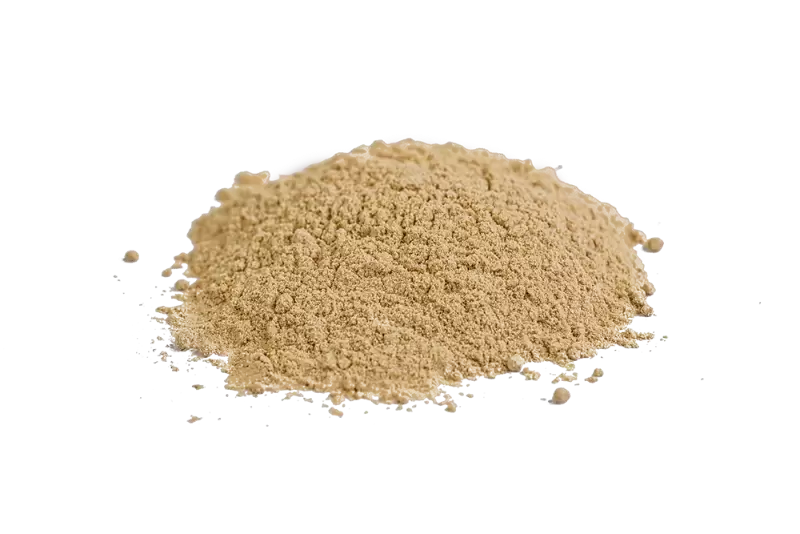
Pistachio shell powder uses
The hardness of the pistachio shell (approximately 3.5 on the Mohs scale) allows for a range of micron sizes. Just like walnut shell granules and olive stone powder, we produce customized powder grades from shells of pistachio to enhance results in material science. As more and more manufacturers of traditional plastics and wood-based materials look for high-quality, bio-based alternatives to synthetic microparticles for creating innovative materials, incorporating shells of pistachio is becoming increasingly popular.
-
composites
Bio-powders, such as pistachio shell powder, can be effective alternatives to polyethylene or polyurethane fillers in composites, like wood-plastic composites. The low density of fruit stone powders makes them beneficial for lightweight applications compared to heavy mineral powders, like calcium carbonate, with a density of less than 1t per cubic meter.
These materials are used in a variety of applications, including nature-inspired 3D printing of biomaterials, medical implants, automotive parts, shipbuilding and aviation components, as well as stationary and ceramic objects.
-
MDF Panels
MDF panels are suitable for surface claddings, furniture, artworks, and decorative finishes, with pistachio shell powder offering a sustainable and unique alternative to wood for engineered objects.
BioPowder, a trusted manufacturer and supplier, offers top-quality fruit stone powders and bio-based abrasives free of any harmful chemicals. We prioritize sustainability and take pride in maintaining exceptional product quality and services. Benefit from our direct sales advantages and global shipping to all EU countries (France, Germany, Austria, Switzerland, UK, etc.) as well as worldwide.
The exploitation of pistachio shells by Money Ranjal Company
Mr. Mousavi founded Mani Ranjal Pistachio Company in 2003, and four years later, Mr. Asadi’s father built a large facility for pistachio production, export, and processing services (peeling, drying, etc.). Mr. Esadi opened a packaging company inside pistachio orchards to ensure the highest quality and customer satisfaction. They offer roasted and unroasted pistachios in a variety of sizes, prioritizing the health of the product by maintaining laboratories for international standard testing. Through exports to various countries and positive feedback, the company has achieved its goals.
Mani Renjal company’s Quality packaging and international standards enable the provision of high-quality products and food safety. These standards include hygienic packaging, the use of high-quality raw materials, and attention to product aesthetics. Customization of taste and packaging can meet the needs of various companies and markets, enhancing the customer experience worldwide.
One of the uses of shells of pistachio is the production of activated carbon. Activated carbon, or activated charcoal, are carbonaceous materials that have an important use in removing odors, colors, and unpleasant tastes from water. In this way, we will have delicious and clear water.
If you are looking to buy high-quality early-harvested pistachio kernels with various flavors, Mani Renjal Pistachio Company can help you.
Conclusion
pistachio shells exhibit a fibrous structure composed of a mix of amorphous and crystalline polymers. Microscopic analysis revealed layers of polymer wound around pores. Chemically, the shells consist primarily of triglycerides and cellulose, with no detectable inorganic compounds. The composition of triglyceride and cellulose varies depending on the depth of the shell, in line with its intended function at that level. These findings, particularly regarding the physical structure, lay a solid groundwork for interpreting the results of forthcoming mechanical assessments.
FAQ
- Is the shell of pistachio good for the skin?
By integrating with the cell membranes of mucous and skin tissues, pistachios provide protection against harmful UV rays, reduce the risk of skin diseases, and promote overall skin health and beauty. The Vitamin E found in pistachios also aids in combating the effects of aging, giving skin a youthful appearance.
- Can I eat pistachio skin?
After pistachios are shelled, they have a thin skin on the nut that may need to be removed for certain recipes. While the skin is safe to eat, it can affect the texture of pureed pistachios and dull the nut’s vibrant green color.
References:
https://www.ruralsprout.com/pistachio-shells/